










Beskrivelse
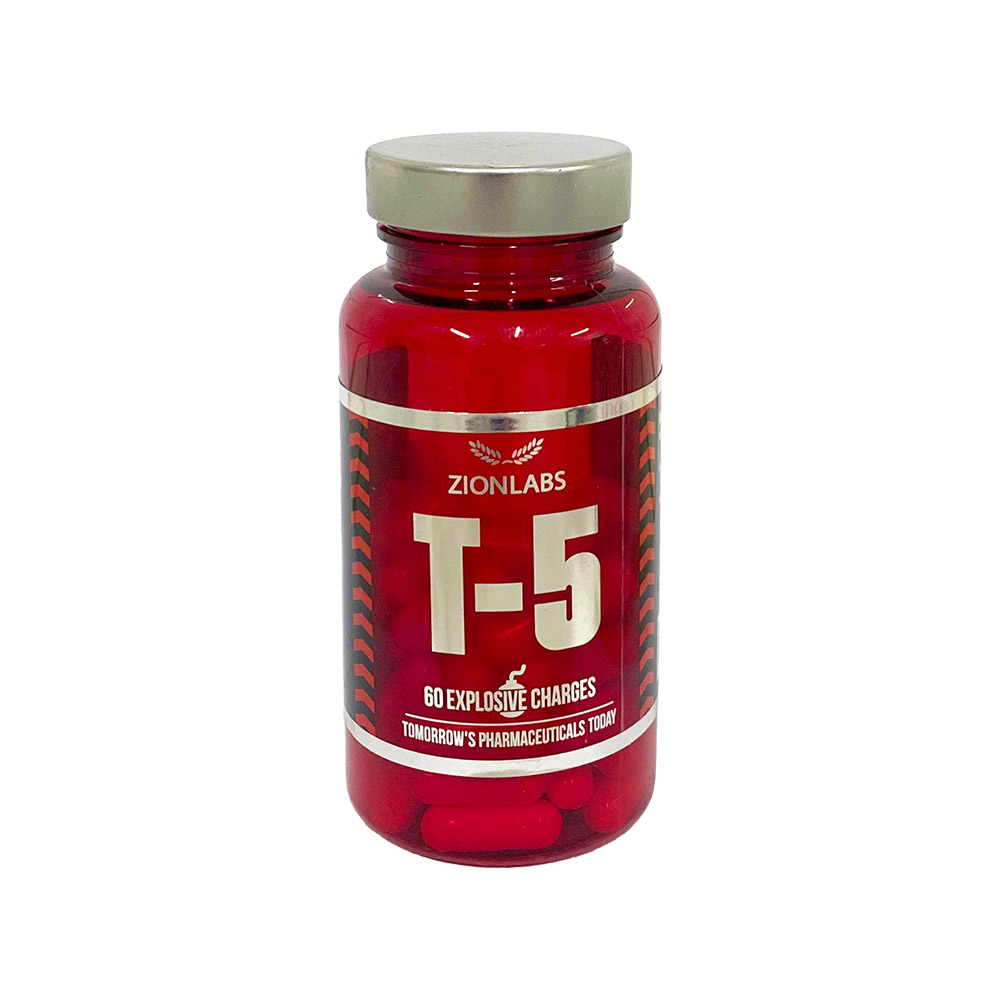
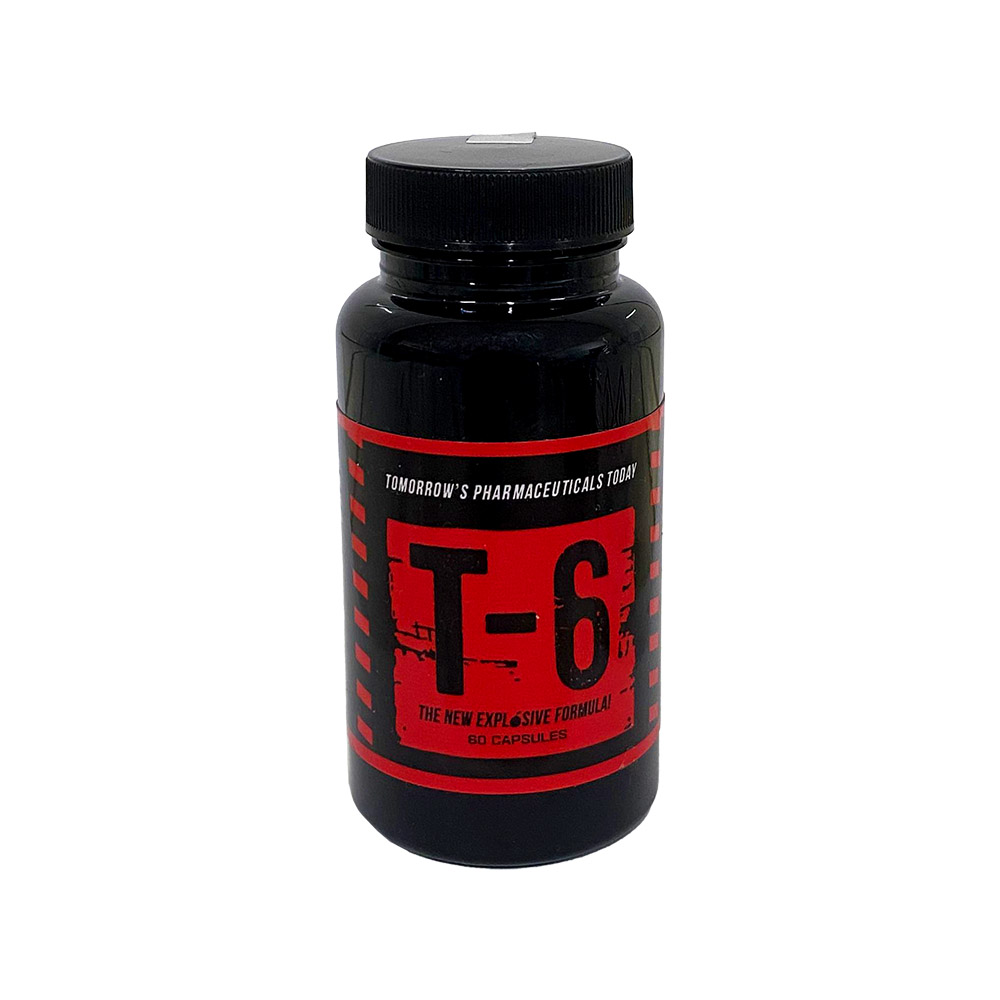
T-6 (ECA + DMAA Complex)
Brand: Tomorrow Pharmaceuticals
Category: High-Stimulant Thermogenic · ECA + DMAA
Content: 90 capsules
Per Capsule: Ephedrine 30 mg · Caffeine 250 mg · Aspirin 150 mg · 1,3-DMAA 50 mg
Origin: Cyprus
Price: €25
Research Notice: For laboratory use only. Not for human or veterinary consumption.
🧪 Product Overview
T-6 is a reinforced ECA stack upgraded with 1,3-DMAA, delivering a fast, hard-hitting stimulant response suitable for controlled thermogenic and adrenergic-activation research.
It is intended for advanced stimulant-tolerant researchers evaluating:
- maximum-intensity thermogenesis
- β-adrenergic activation pathways
- appetite-control models
- pre-exercise arousal and focus studies
- multi-stimulant synergy (E+C+A+DMAA)
This formula is significantly stronger than standard EC stacks due to the inclusion of DMAA.
✅ Key Research Highlights
Ephedrine (30 mg):
A classic sympathomimetic that increases synaptic norepinephrine → heightened alertness, thermogenesis, and metabolic output. Human studies repeatedly show increased energy expenditure when ephedrine is combined with caffeine.
Caffeine (250 mg):
Non-selective adenosine A1/A2A antagonist that elevates wakefulness, reduces fatigue perception, increases neural drive, and potentiates ephedrine’s thermogenic effects.
Aspirin (150 mg):
Historically used in ECA triads; explored for its potential to sustain ephedrine-induced thermogenesis through prostaglandin-related pathways (evidence variable).
DMAA (50 mg):
A potent indirect sympathomimetic associated with rapid onset CNS stimulation. Several regulatory authorities deem DMAA unlawful in supplements and prohibit its sport use.
🧬 Mechanism of Action (Simplified)
- Ephedrine: Boosts norepinephrine release → β-adrenergic stimulation → increased heat production, energy, and lipolysis.
- Caffeine: Blocks adenosine receptors → heightened CNS activity + stronger ephedrine thermogenesis.
- Aspirin: Explored as a thermogenesis potentiator in classic ECA studies.
- DMAA: Strong sympathomimetic → sharp CNS elevation and adrenergic output.
📊 Technical Specification Table
| Field | Data |
|---|---|
| Per-Cap Actives | Ephedrine 30 mg · Caffeine 250 mg · Aspirin 150 mg · DMAA 50 mg |
| Pharmacology |
Ephedrine: β-adrenergic stimulant Caffeine: adenosine A1/A2A antagonist Aspirin: COX inhibitor (ECA component) DMAA: indirect sympathomimetic stimulant |
| Evidence Snapshot |
E+C human data show increased thermogenesis and reduced appetite. Aspirin investigated as enhancer in EC models. DMAA associated with intense adrenergic activation; regulatory concerns noted. |
| Doping Status |
Ephedrine prohibited in-competition above 10 µg/mL urine. DMAA (methylhexanamine) fully prohibited in-competition. High risk of positive test. |
| Regulatory Status |
Ephedrine-alkaloid supplements banned in U.S. DMAA considered unlawful in dietary supplements by multiple agencies. Check national laws before handling. |
| Origin | Cyprus |
📚 Research Background
- Ephedrine + caffeine synergy: Human studies show enhanced thermogenesis, higher metabolic rate, and reduced energy intake.
- Caffeine reviews: Strong literature support for CNS stimulation and metabolic modulation.
- Aspirin effects: Mechanistic analyses explore its role in sustaining ephedrine thermogenesis.
- DMAA: Recognized as a potent stimulant with safety concerns leading to major regulatory restrictions.
⚠️ Potential Side Effects (Class-Based Literature)
- Rapid heartbeat, high blood pressure, palpitations
- Insomnia, anxiety, tremor, agitation
- Headache, nausea, or dizziness
- Sympathomimetic overload when combined with other stimulants
- Rare severe events: arrhythmia, stroke, myocardial infarction
🧯 Compliance & Sport Integrity
Anti-doping:
Ephedrine and DMAA are prohibited in-competition under WADA rules (ephedrine threshold 10 µg/mL).
Athletes risk sanctions if exposed.
Regulatory:
FDA bans ephedrine-alkaloid supplements and classifies DMAA supplements as adulterated/illegal.
Several countries enforce similar restrictions.
Research-only:
This item is supplied strictly for laboratory and analytical use.
Not a dietary supplement or performance enhancer.
📌 Important Safety Notice
For research use only.
Not for human consumption. Not for medical, dietary, or athletic use.
Do not combine with additional stimulants or MAO inhibitors.
There are no reviews yet.