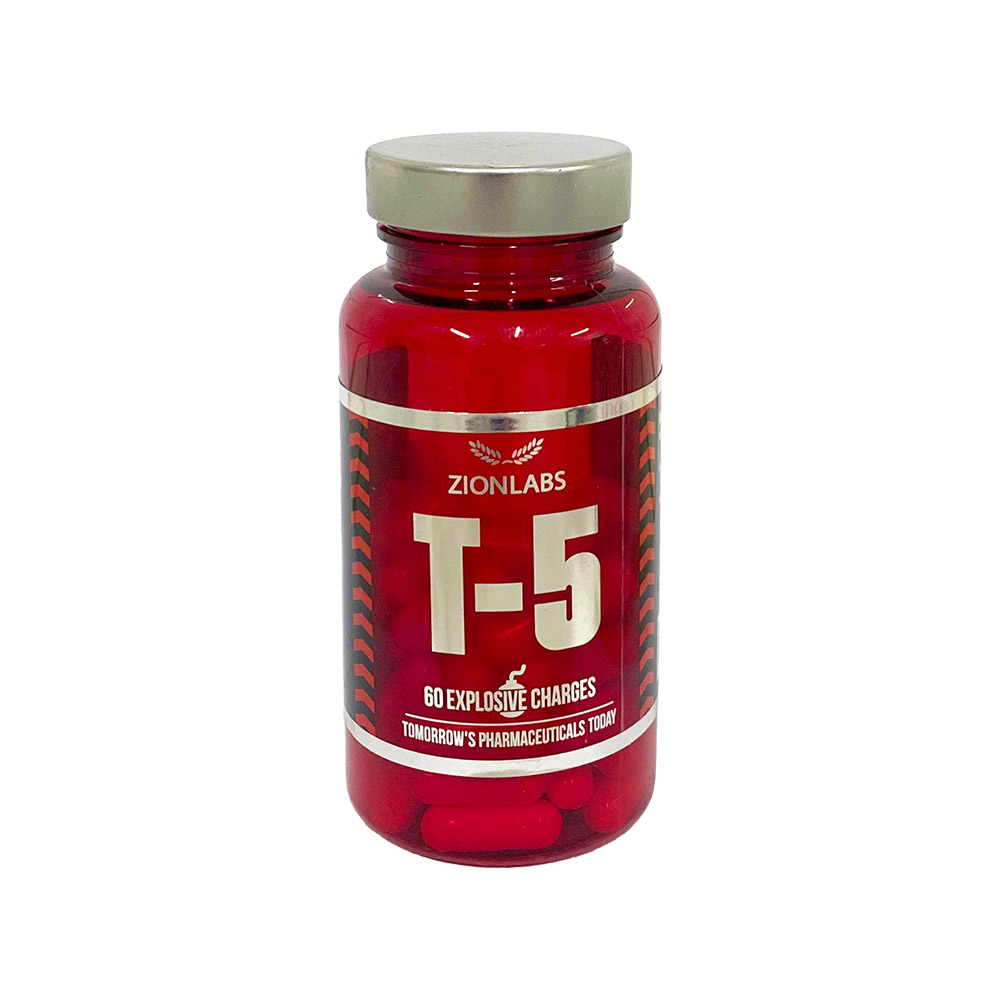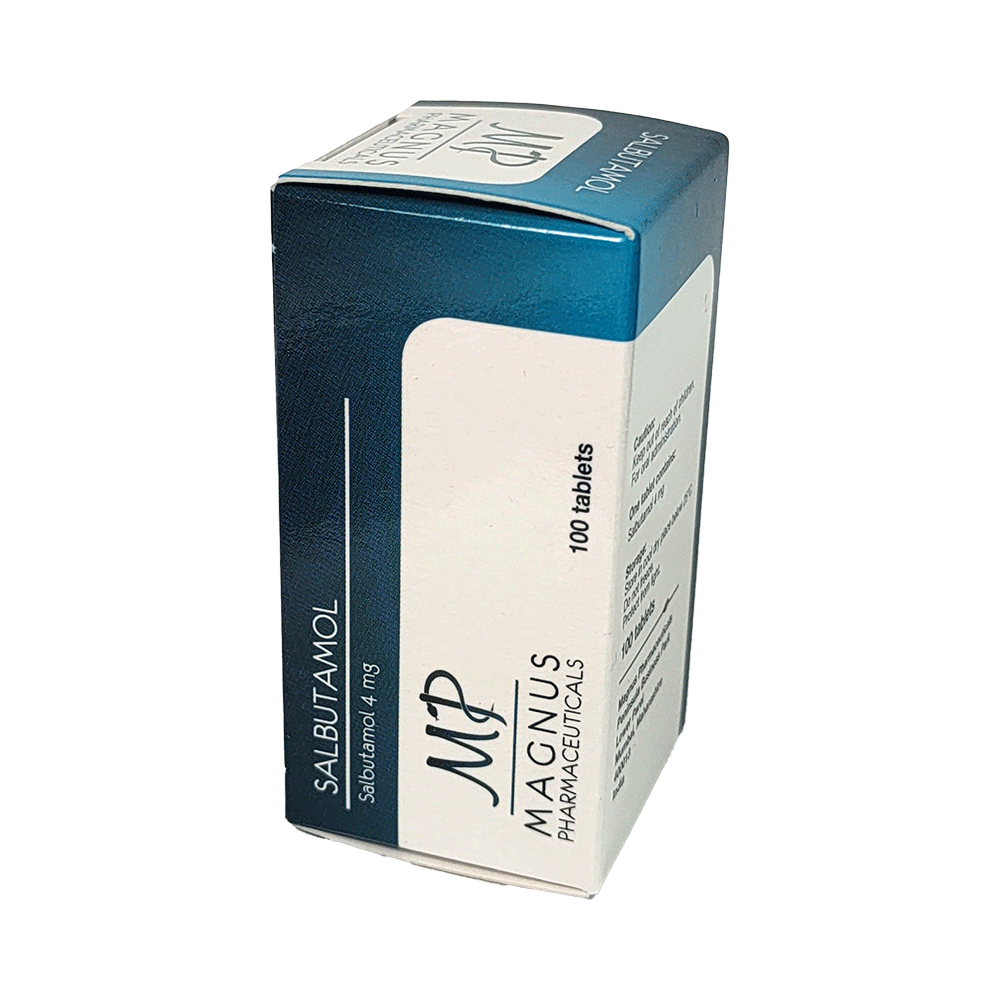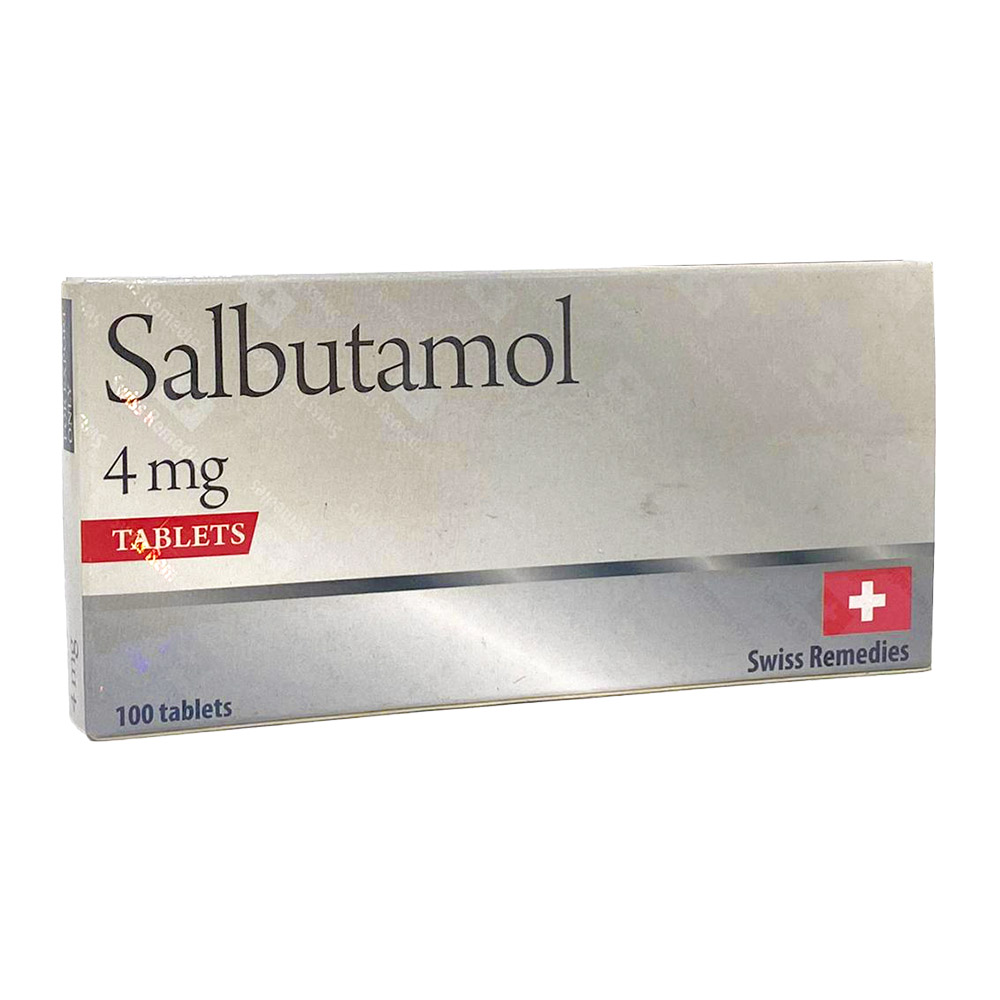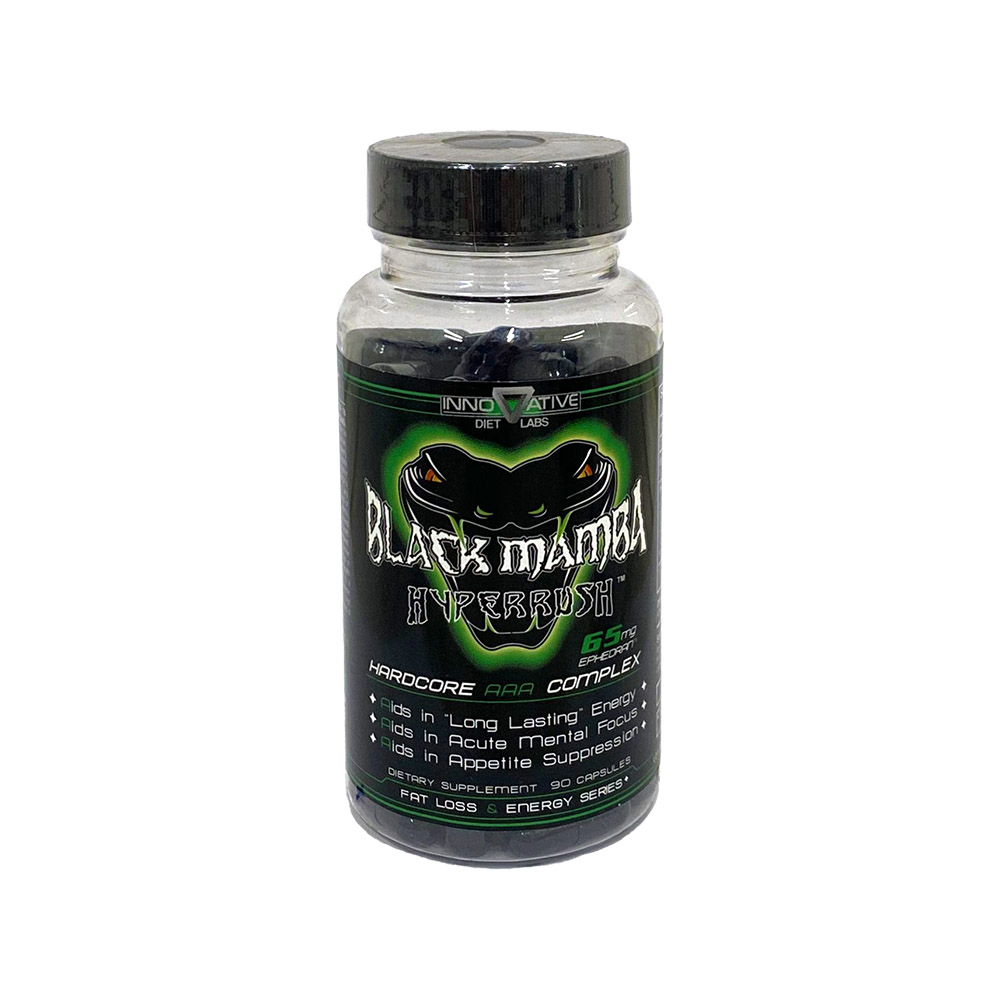










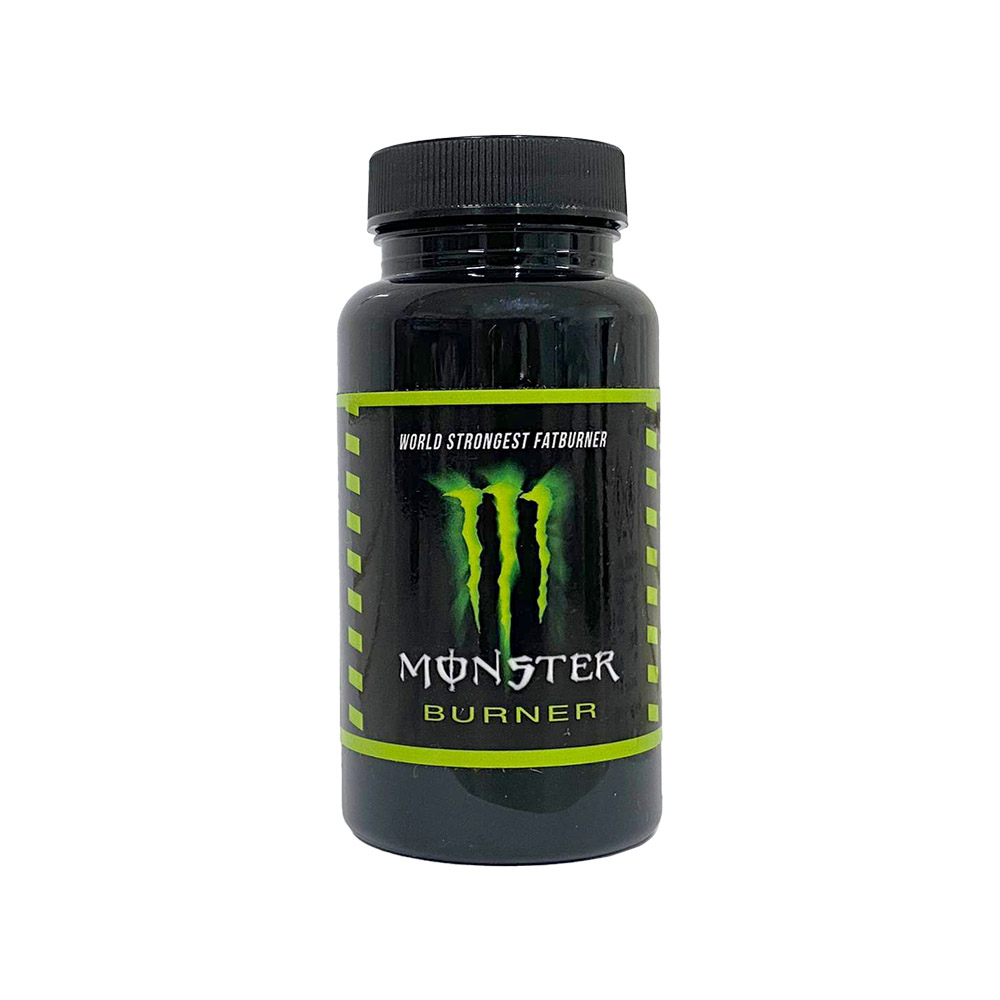
MONSTER BURNER
90 capsules · ECA + DMAA complex · Monster Burner unites ephedrine, caffeine, aspirin, and 1,3-DMAA in a high-stimulus research capsule used to study thermogenesis, adrenergic activation, appetite modulation, and stimulant-synergy models—strictly for lawful laboratory evaluation.
€ 25.00

Descripción
MONSTER BURNER — Monster Labs
Brand: Monster Labs
Category: High-stim thermogenic / stimulant-synergy research compound
Content: 90 capsules
Per Capsule (Label): Ephedrine 50 mg · Caffeine 250 mg · Aspirin 100 mg · 1,3-DMAA 90 mg
Price: €25
Manufactured in: Cyprus
Research Notice: For research/analytical use only. Not for human or veterinary consumption.
🧪 Product Overview
Monster Burner is a high-stimulus capsule designed around the classic
ECA (Ephedrine + Caffeine + Aspirin) framework with the addition of
1,3-DMAA, a potent indirect sympathomimetic.
Its purpose in laboratory settings is to support research on:
- thermogenesis and energy expenditure
- adrenergic pathway activation
- stimulant stacking/synergy models
- pre-exercise arousal and alertness mechanisms
- appetite and satiety perception signaling
The formula provides a clear and predictable active profile suitable for comparative analyses in metabolic, neurochemical, and stimulant-effect research workflows.
✅ Key Research Highlights
Ephedrine:
Indirect β-adrenergic agonist → ↑ norepinephrine release → lipolysis, thermogenesis, enhanced energy expenditure.
RCTs show modest short-term weight-loss effects when paired with caffeine.
Caffeine:
Adenosine A1/A2A receptor antagonist → ↑ CNS arousal, ↑ lipolysis, ↑ thermogenesis; widely studied in metabolic and performance domains.
Aspirin:
COX enzyme inhibitor; historically added to prolong adrenergic effects (evidence mixed). Included in classical “ECA” models.
DMAA (1,3-dimethylamylamine):
Potent indirect sympathomimetic → ↑ norepinephrine release; increases arousal, focus, cardiovascular activation.
Regulatory agencies classify DMAA as not lawful in U.S. dietary supplements.
🧬 Mechanism of Action (Simplified)
- Ephedrine: Increases NE release → β-adrenergic activation → thermogenesis and fat mobilization.
- Caffeine: Blocks adenosine receptors → enhances alertness and metabolic rate.
- Aspirin: Inhibits prostaglandin synthesis; historically included in ECA triads.
- DMAA: Strong CNS stimulant acting via indirect catecholamine modulation.
These combined pathways create a strong stimulant and thermogenic signal suitable for controlled laboratory comparisons with caffeine-only or ephedrine-only models.
📊 Technical Specification Table
| Field | Data |
|---|---|
| Per-Capsule Actives | Ephedrine 50 mg · Caffeine 250 mg · Aspirin 100 mg · DMAA 90 mg |
| Pharmacology | Ephedrine: indirect β-agonist Caffeine: adenosine antagonist Aspirin: COX inhibitor DMAA: indirect sympathomimetic |
| Evidence Snapshot (ECA) | 8-week RCT: ECA → modestly greater weight reduction vs. placebo (short-term data) |
| Doping Status | Ephedrine: prohibited in-competition above 10 µg/mL DMAA: prohibited stimulant |
| U.S. Regulatory | Ephedrine alkaloids banned in dietary supplements; DMAA not lawful in supplements (FDA) |
| Origin | Cyprus |
📚 Research Background
- ECA trial: RCT (8 weeks) demonstrated increased metabolic output and moderate weight reduction compared with placebo.
- Thermogenic literature: Caffeine shown to activate brown adipose pathways and increase metabolic rate.
- Regulatory alerts: FDA prohibits ephedrine alkaloids and classifies DMAA as unlawful in supplements.
⚠️ Potential Side Effects (Class-Based Literature)
- Palpitations, tachycardia, elevated blood pressure
- Anxiety, tremor, insomnia, agitation
- Nausea, headache, GI upset
- Risk heightened when combining stimulants or exceeding serving sizes
- Serious adverse events reported in rare cases with ephedrine/DMAA
🧯 Compliance & Legal Status
Regulatory:
Ephedrine alkaloids banned in U.S. dietary supplements; DMAA not lawful in supplements.
Local restrictions apply—check your jurisdiction before acquisition or study.
Anti-Doping:
• Ephedrine prohibited in-competition >10 µg/mL urine.
• DMAA prohibited as a stimulant.
Competitive athletes must avoid exposure.
Research-only:
Product supplied exclusively for laboratory/analytical evaluation. Not for human consumption.
📌 Important Notice
For research use only. Not a medicine, not a dietary supplement, not for performance enhancement.
No human use is implied. Users are responsible for adherence to local laws, safety protocols, and anti-doping rules.
There are no reviews yet.