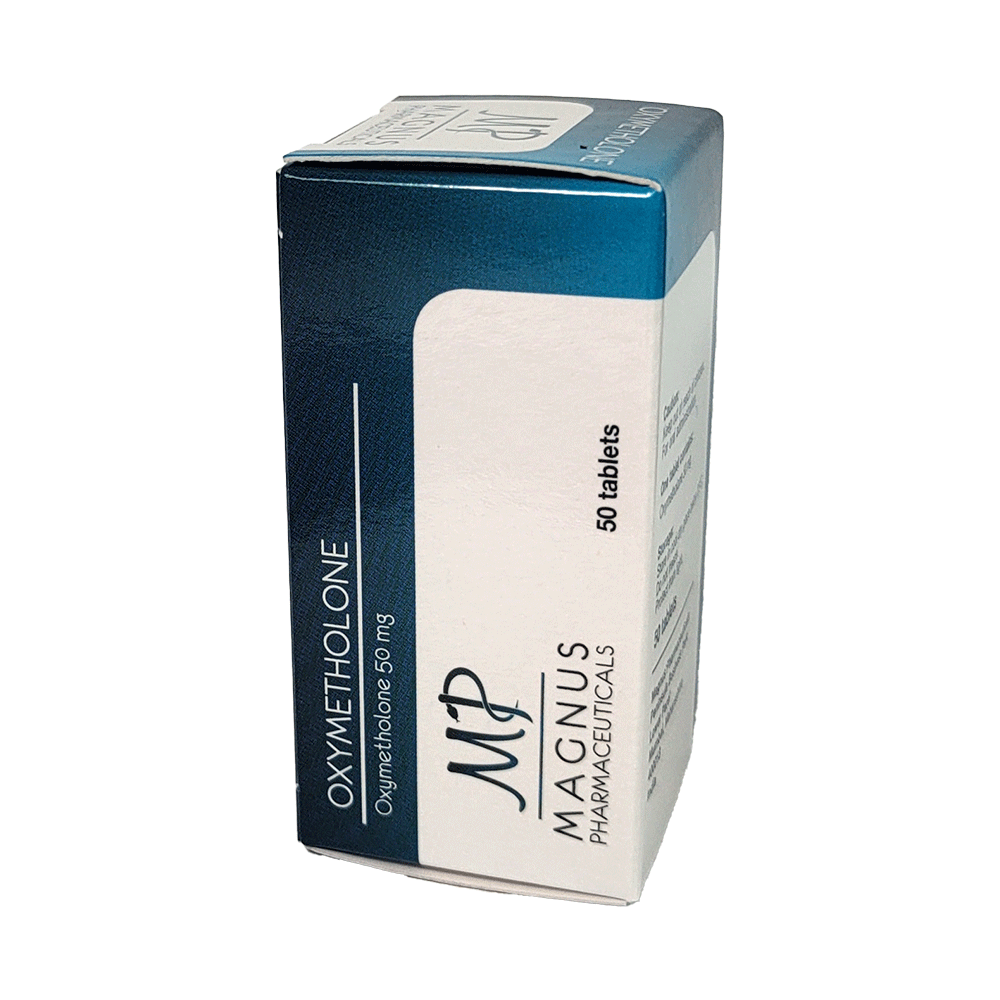








ANDROLIC (Oxymetholone) 50 mg
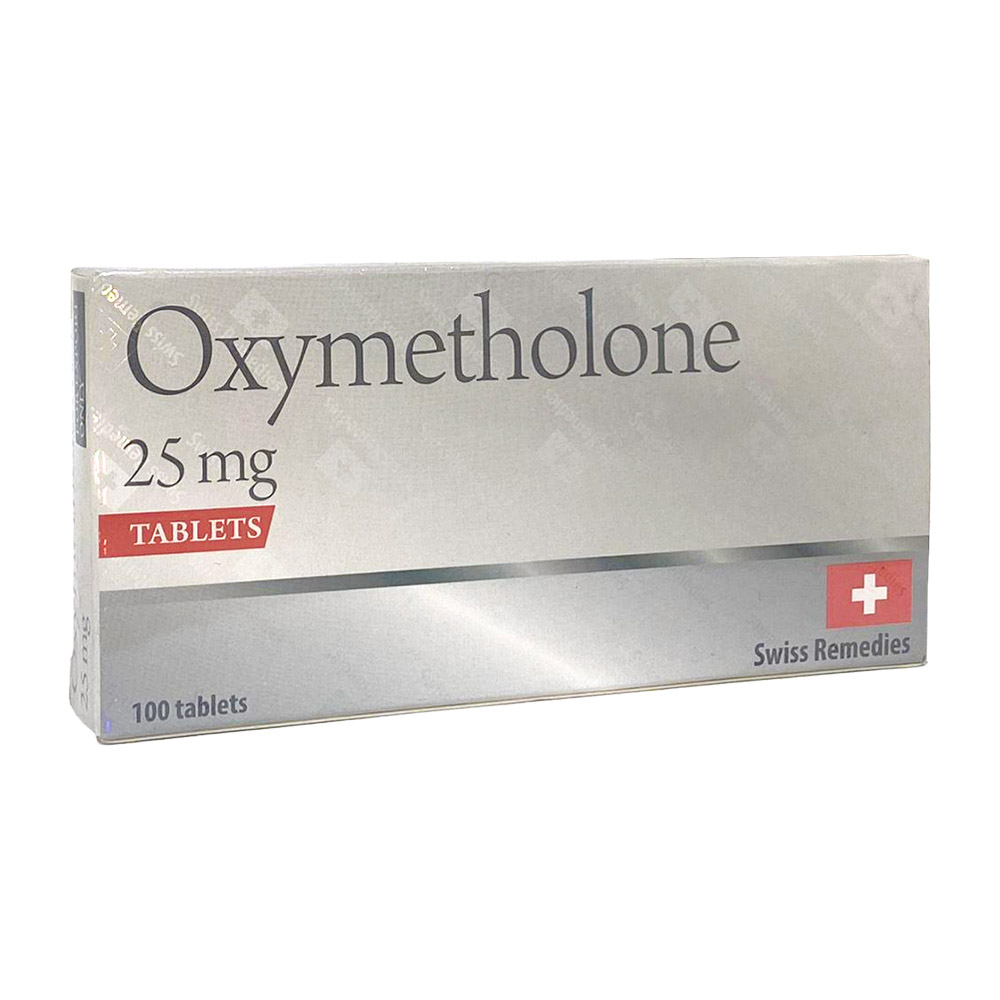
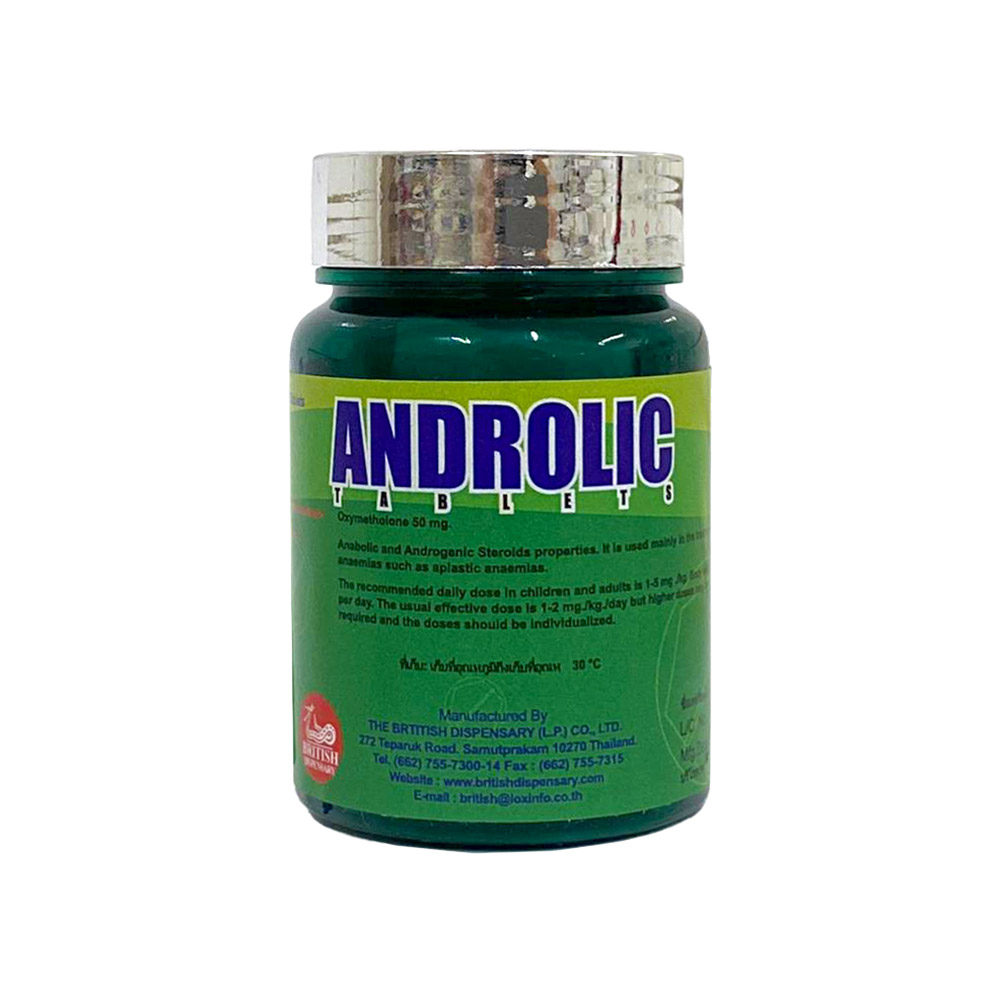
Androlic (Oxymetholone) 50 mg is a potent oral anabolic steroid intended for scientific use only. Each tablet contains 50 mg Oxymetholone. Supplied in 100-tablet packaging. For laboratory research and chemical reference use only.
€ 59.00

Beskrivelse
ANDROLIC (Oxymetholone) 50 mg
Brand: The British Dispensary Co. LTD
Category: Oral AAS Research Compound
Content: 100 tablets | 50 mg per tablet
Price: €59
Manufactured in: Thailand
🧪 Product Overview
Oxymetholone 50 mg, commercially known as ANDROLIC, is a structurally modified
17-α-alkylated dihydrotestosterone (DHT) derivative developed for hematologic and androgen-receptor (AR)
modulation research. Its strong anabolic index, erythropoietic activity, and well-documented hepatic risk profile
make it a key reference standard in studies of AR signaling, EPO regulation, and steroid toxicology.
Originally used clinically for anemia, oxymetholone has shown notable increases in erythropoietin (EPO),
red-cell mass, and protein-synthesis pathways. Its 17-α-alkylated structure enhances oral bioavailability
while elevating hepatotoxicity risk, supporting reproducible liver-injury modeling.
✅ Key Research Highlights
Enhanced erythropoiesis:
FDA and NCBI data confirm increased erythropoietin and hematologic output.
Potent AR agonism:
Strong anabolic transcriptional signaling suitable for AR-targeted assays.
High oral stability with hepatic strain:
17-α-alkylation increases bioavailability but introduces significant hepatotoxicity.
Endocrine & metabolic effects:
Dyslipidemia, suppression of endogenous hormones, fluid retention, and virilization endpoints.
🧬 Suggested Laboratory Applications
- Hematologic stimulation modeling (EPO & red-cell regulation)
- Androgen receptor activation & gene-transcription studies
- Anabolic-androgenic steroid toxicology
- Hepatic injury modeling (peliosis, cholestasis, tumor pathways)
- Comparative anabolic potency benchmarks
📊 Technical Specifications
| Field | Data |
|---|---|
| Chemical Name | Oxymetholone |
| Chemical Formula | C21H32O3 |
| Synonyms | Anadrol; Anapolon; 17α-Methyl-2-hydroxymethylene-17β-hydroxy-5α-androstan-3-one |
| Molecular Weight | ≈ 332.48 g/mol |
| CAS Number | 434-07-1 |
| Mechanistic Class | 17-α-alkylated DHT derivative; AR agonist; EPO stimulator |
| Documented Benefits | ↑ EPO, ↑ red-cell mass, ↑ anabolic transcription, ↑ protein synthesis |
| Main Risks | Hepatotoxicity (peliosis, tumors), cholestasis, dyslipidemia, endocrine suppression, edema |
| Detection Considerations | WADA S1 classification — prohibited in all doping contexts |
| Shelf-life | 36 months |
❄️ PubChem-Supported Research Insights
- Strong AR agonist with high transcriptional activity
- Enhances erythropoietin through androgen-mediated signaling
- Marked hepatic strain due to 17-α-alkylation
- Valuable as a toxicology reference in steroid metabolism studies
- Affects lipid regulation and endocrine pathways
⚠️ Documented Research Side Effects
- Hepatic tumors, peliosis hepatis, cholestatic jaundice (FDA warnings)
- Dyslipidemia (↑ LDL / ↓ HDL)
- Edema and altered fluid retention
- Suppression of endogenous testosterone
- Virilization endpoints in androgen-sensitive models
🧯 Handling & Compliance
For Research Use Only — Not for human or veterinary application.
Store dry, protected from light, below 30 °C.
Listed under WADA S1 prohibited anabolic agents.
Purchase confirms qualified researcher status.
There are no reviews yet.